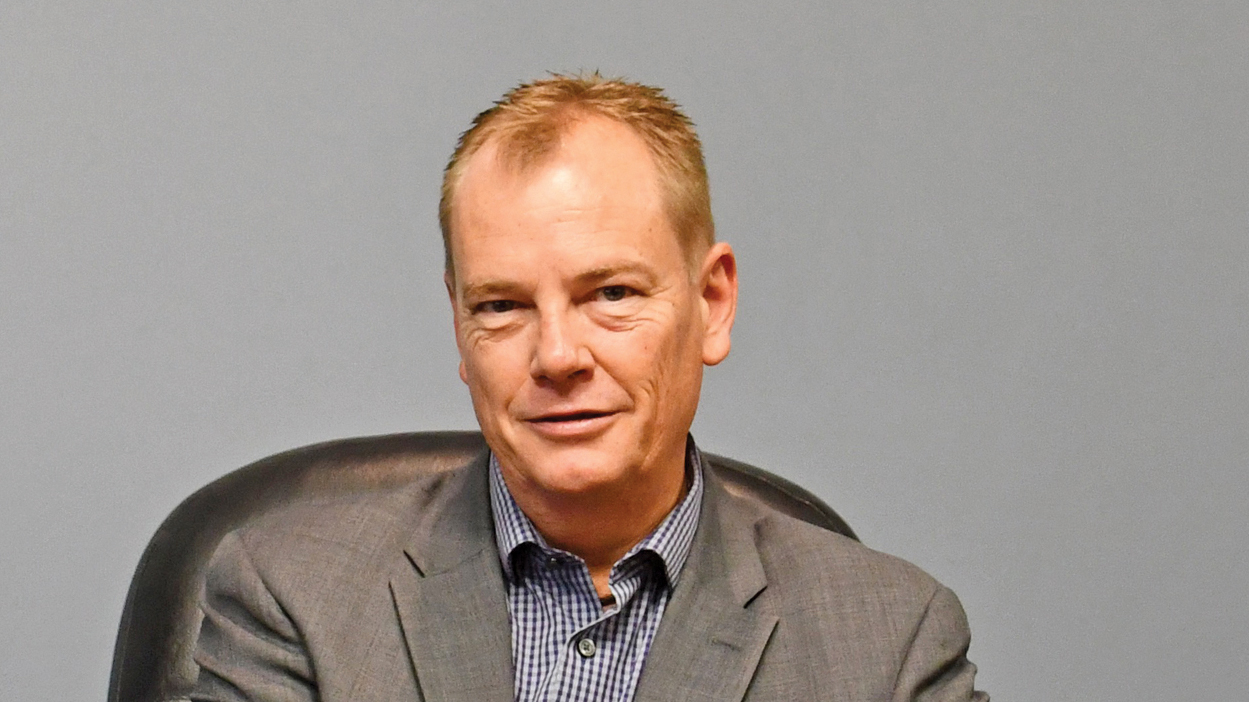
Adrian Munro, a third-generation horseman, remains dead set on helping the industry survive and thrive for future generations to come.

Thoroughbred breeder Ivan Dalos, founder of Tall Oaks Farm, says he is concerned about the future of breeding in Ontario and offers his solution.
Ray Paulick recounts the conspiracy theories he’s heard about stewards or placing judges who are “out to get” the downtrodden horseplayer.
How breeder awards and incentives can help bolster the Ontario horse racing industry’s supply chain to improve the horse population.
Ray Paulick says racetracks of the 21st Century will bear little resemblance to old tracks, with big grandstands and sprawling parking lots.
Forty-one of 50 U.S. states have made dog racing illegal, Florida being the latest and most important state to do so. Is horse racing next?
John Burness (Brnjas) of Colebrook Farms speaks about the state of Ontario’s breeding industry, and how important it is to have its own horse population.
Ray Paulick says racing – especially horse owners – will have a tough time convincing politicians it deserves a piece of the action from sports gambling.
Jim Lawson, CEO of the Woodbine Entertainment Group, outlines the future of Woodbine Racetrack now that an expanded casino has been approved.
Evaluating statistics has long played an important role in Thoroughbred racing, but it’s becoming harder to make sense of them from a business standpoint.
Ray Paulick comments on two recent studies – one on the ability of female jockeys, the other on the anti-bleeding medication furosemide.
Ray Paulick says that Thoroughbred racing is devoid of national leadership or a structure, which leads to a lack of long-range planning.
Ray Paulick says there’s too much distance between horses and the majority of people living in the modern world, and it’s time to get reacquainted.
Del Mar's efforts to improve safety are making a difference.
How much punishment, in the form of pari-mutuel takeout, will the racing public stand?”