Woodbine bettors used to trust the tote board. Now the odds can collapse in the final seconds before post time, leaving plenty of longtime horseplayers staring at the screen wondering whether they missed something, or whether the computers simply arrived later than everybody else.
Anybody who has bet Woodbine for long enough has seen the same thing happen. A horse sits at 7-1 with two minutes to post, the gate crew starts loading, then suddenly the board flashes again and the horse leaves at 9-2. Ten years ago, bettors blamed “smart money.” Now most regulars know a lot of that late action comes from computer-assisted wagering teams dumping huge amounts into the pools right before the break.
Woodbine already operates inside a heavily digital betting environment tied into simulcast wagering and massive pooled markets. The final flash now carries real information because the biggest money frequently arrives seconds before post.
Late Money Is Changing the Woodbine Tote Board
Computer-assisted wagering has become one of the biggest talking points in North American racing because the numbers behind it are enormous. Reporting around the US racing market estimates that CAW syndicates now account for between $2 billion and $3 billion of the $11.6 billion wagered annually on thoroughbred racing. Most of that activity reportedly comes from roughly 10 to 12 major betting groups.
That pressure changes the way ordinary horseplayers read the board. A horse sitting at 5-1 with ninety seconds left no longer tells you very much because the real betting pressure may not have arrived yet. Woodbine’s pools are especially vulnerable to those swings because so much wagering flows through simulcast channels tied into larger North American betting systems.
Speed Figures Start Driving the Action Earlier
Woodbine bettors have always reacted strongly to speed figures, though the modern tote board reacts much faster than it used to. A sharp Beyer number or a strong pace setup can move a horse before casual bettors even finish reading the program.
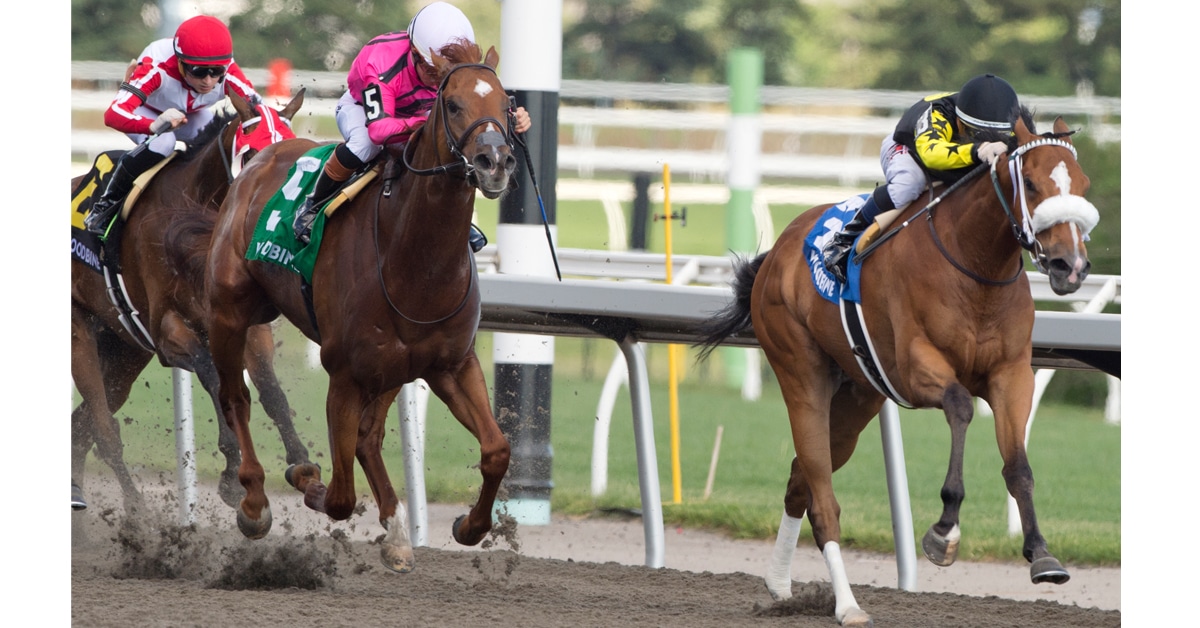
The recent Paramount Prince and Mansetti showdown gave bettors another example of how quickly the market reacts once speed becomes the dominant angle. Reagan’s Flame captured the Grade 3 Whimsical Stakes carrying a $150,000 purse on the same afternoon, and bettors watching the pools closely could see the money tightening late around horses carrying proven early pace.
Mobile Betting Habits Are Crossing Into Horse Racing
Sports betting has trained modern bettors to expect constant information. Odds move live during hockey games, betting apps refresh every few seconds and line movement becomes part of the betting experience itself. Horse racing has drifted into the same territory because the tote board now behaves more like a live market than a static price sheet.
An overview of the top sports betting sites available across Canada on Covers.com shows how heavily modern bettors now rely on live odds tracking, mobile wagering apps, payout speed, betting promos and real-time line movement when deciding where to place their money. That behaviour carries directly into racing once you start watching Woodbine closely because the final minute before post can completely change the value picture.
Bigger Woodbine Days Bring Bigger Pool Swings
Large race days magnify everything. Bigger pools attract heavier syndicate participation, which creates sharper odds movement during the final flashes before post time. Woodbine Mile Day handled $13,026,804 in all-sources wagering this year, while the Woodbine Mile itself generated $2.1 million in handle, representing a 23% increase from the previous year.
The King’s Plate conversation creates similar betting behaviour because bettors spend weeks tracking contenders, figures and prep races before the tote board finally opens on race day. A horse sitting comfortably at 8-1 halfway through loading can disappear into 5-1 territory before the gates even open.
Betting Markets Are Becoming Harder To Outsmart
The broader horse racing market keeps moving toward data-heavy betting systems tied into digital wagering growth. Industry projections place the global horse racing market at $400.56 million in 2024, with forecasts pushing that figure toward $665.01 million by 2034 as online betting and mobile wagering continue expanding.
Academic work around horse-racing betting markets also points toward increasing informational efficiency inside wagering pools. The practical takeaway is straightforward enough for anybody sitting at Woodbine on a Saturday afternoon: the board reacts faster because more information gets processed faster.
Reading the Board Takes a Different Kind of Patience Now
Old-school horseplayers still trust their eyes first. They watch warmups, body language and tote movement before making a final decision. Woodbine still rewards that instinctive style now and then, though the board has changed permanently. Late odds movement used to tell you where smart money was going. These days it usually tells you where automated money arrived five seconds before the gates opened.
Regular Woodbine bettors have started adapting instead of fighting it. Plenty now wait longer before committing to a price, especially in deeper pools tied into major simulcast cards. The old tote board still tells a story, though you have to read it differently now because computers entered the conversation alongside the horseplayers.
The Latest