Horses living in domesticated environments often experience stress due to conditions that limit natural behaviours such as grazing, movement, and social interaction. One sign of this stress can be stereotypic behaviours, which are repetitive actions such as cribbing, weaving, or stall-walking that appear to have no clear purpose. These behaviours are rarely observed in wild horses, and researchers believe that they develop when horses cannot fully meet their natural needs such as grazing for long periods, interacting with other horses, or moving freely. Some studies suggest that stereotypies might actually function as coping mechanisms that may help animals regulate stress by providing a way to release tension.
A recent study published in PLOS ONE investigated whether biomarkers found in saliva could help scientists measure stress levels in horses and better understand the link between competition and stereotypic behaviours which affect their welfare.
The researchers focused on Thoroughbred horses involved in competitive racing and examined whether salivary biomarkers — specifically cortisol, alpha-amylase (sAA), and butyrylcholinesterase (BChE) — could serve as indicators of stress. Their findings suggest that saliva testing may provide a simple and non-invasive way to evaluate equine well-being.
Why Study Saliva?
Traditionally, stress in animals has been measured through blood samples. However, blood collection can itself trigger stress, potentially influencing the results. Saliva offers an appealing alternative because it is easy to collect and non-invasive, making it particularly useful in animal welfare research.
Saliva contains several biomarkers associated with stress and physiological responses:
- Cortisol – a hormone commonly linked to stress and adaptation.
- Salivary alpha-amylase (sAA) – an enzyme associated with activation of the sympathetic nervous system.
- Butyrylcholinesterase (BChE) – an enzyme that may relate to nervous system activity and stress responses.
By measuring these markers, researchers can gain insight into how horses react physiologically to different living and working conditions.
The research team studied 26 Thoroughbred horses, divided into three groups:
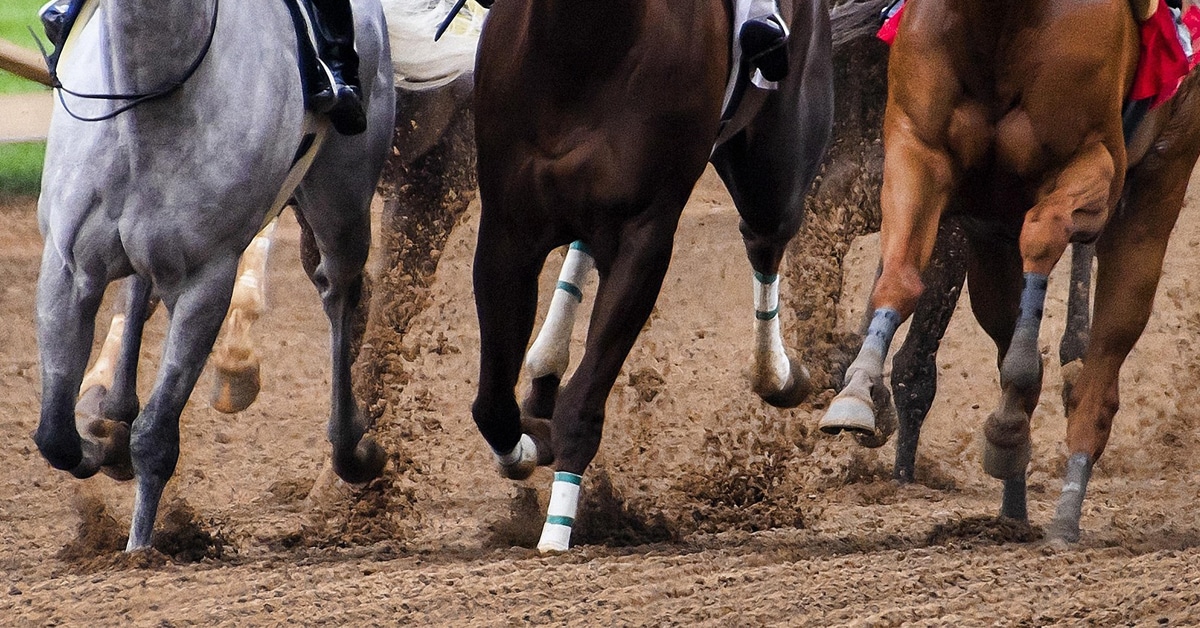
- High-level competition horses (10) without stereotypies, actively training for racing.
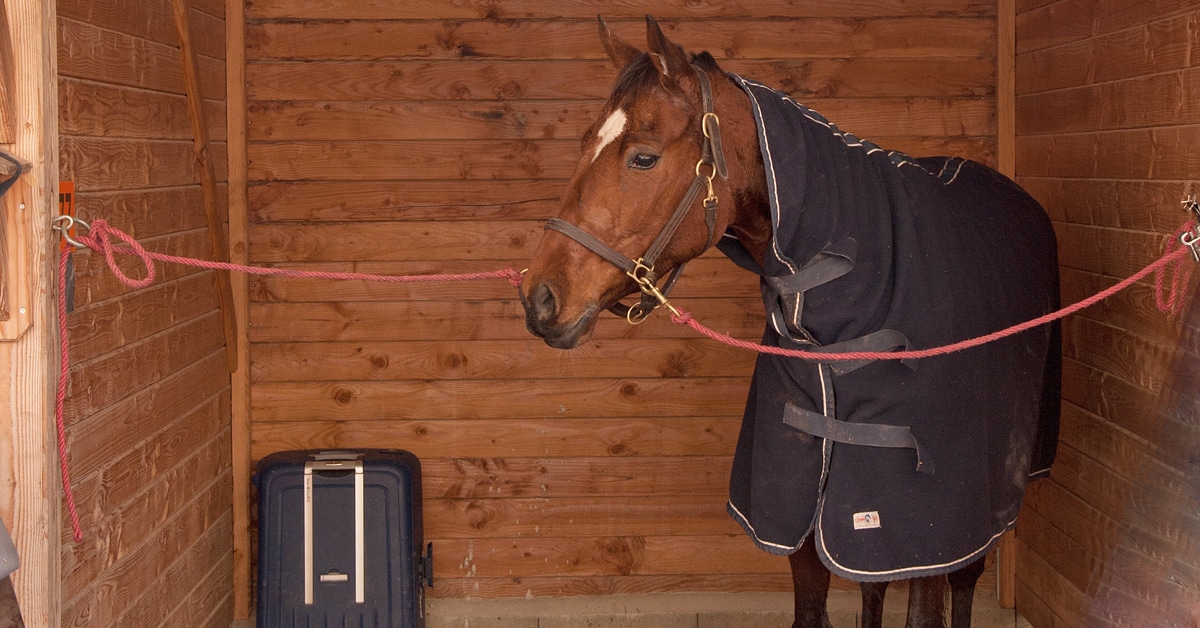
- Stereotypic competition horses (11) also training for racing, but displaying stereotypic behaviours for at least one year.
- Leisure non-competition horses (5) horses used for recreational riding rather than competition, but still displaying stereotypies.
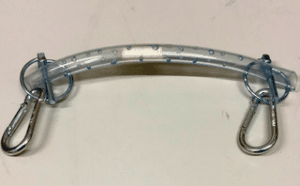
Sampling tool used to collect saliva.
All horses were housed in individual stalls. Saliva samples were collected early in the morning while the animals were resting in their stalls and before feeding to prevent contamination from food, using cotton swabs inserted into a customized mouthpiece that horses chewed for five minutes.The samples were then analyzed in the laboratory using enzyme-linked immunosorbent assay (ELISA) tests to determine biomarker levels. Statistical analyses were conducted to identify differences in biomarker levels between the groups.
Key Findings
The study revealed several important patterns in salivary biomarkers. High-level competition horses showed significantly higher cortisol levels compared to leisure horses. This suggests that the physical demands and training associated with racing may contribute to increased physiological stress.
However, when compared to stereotypic competition horses, cortisol levels in non-stereotypic competition horses were still higher. This finding supports the idea that stereotypic behaviors may help horses cope with stressful conditions, potentially lowering stress hormone levels.
Surprisingly, the highest sAA levels were found in leisure horses, not the competition groups. One possible explanation is that competition horses may become accustomed to routine stressors such as training and handling, leading to physiological adaptation. Another possibility is that leisure horses experience occasional stressors, such as irregular activity or environmental changes, that trigger short-term increases in this enzyme.
The enzyme BChE showed no significant differences between the groups after detailed statistical comparisons. Researchers suggest that this marker may be more useful in situations involving acute physical stress, such as endurance exercise, rather than in resting conditions.
Implications for Equine Welfare
The results of this study highlight the complexity of stress and behaviour in horses. While racing environments appear to elevate cortisol levels, stereotypic behaviours may serve as adaptive responses that help horses manage stress.
These findings challenge the assumption that eliminating stereotypic behaviours always improves welfare. In some cases, preventing these behaviours, such as by using anti-cribbing devices, could remove a coping strategy and potentially increase stress.
Additionally, the study demonstrates the potential value of saliva testing as a welfare assessment tool. Because saliva collection is quick and non-invasive, it could allow veterinarians and trainers to monitor stress levels more regularly without causing additional distress to the animals.
Ultimately, understanding how horses respond to different environments and workloads can help improve management practices and ensure healthier, less stressful lives for these animals. Future studies with larger populations and repeated sampling could provide a clearer picture of how stress biomarkers fluctuate over time. Researchers also suggest combining saliva analysis with other measures, such as hair cortisol levels, to better understand long-term stress patterns.
~ with files from ISES
The Latest