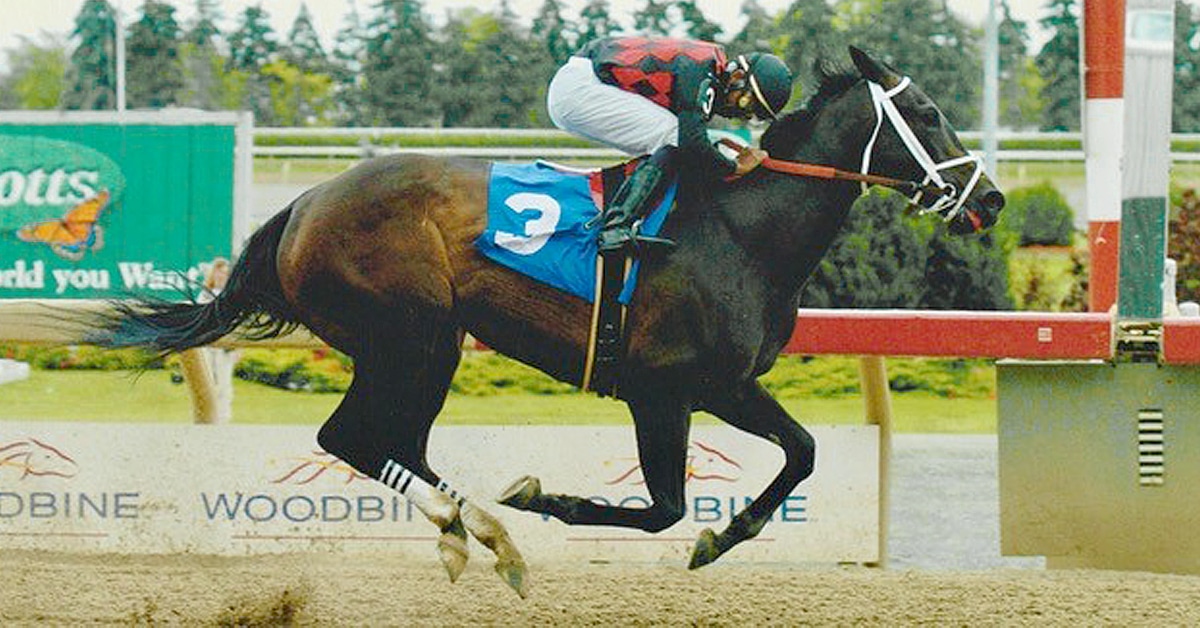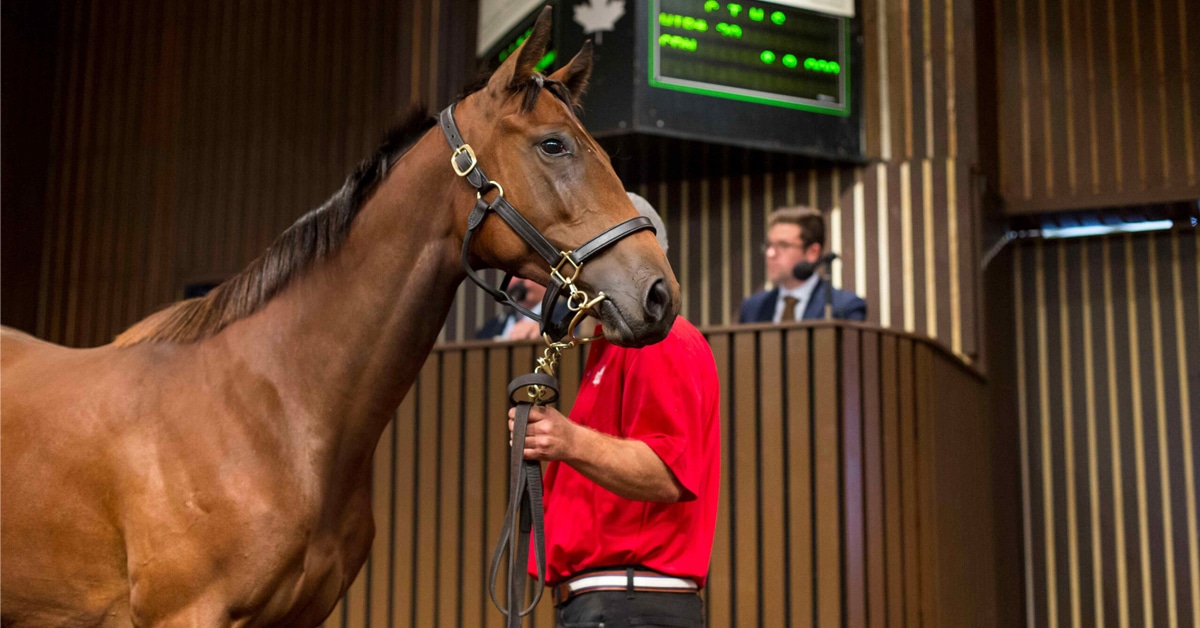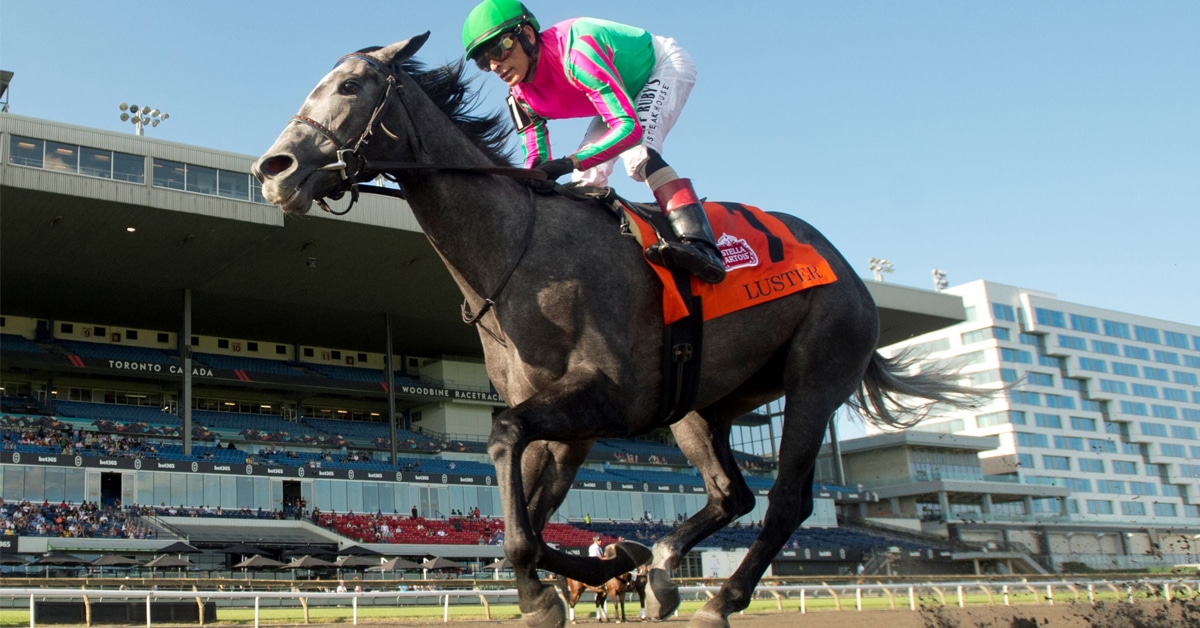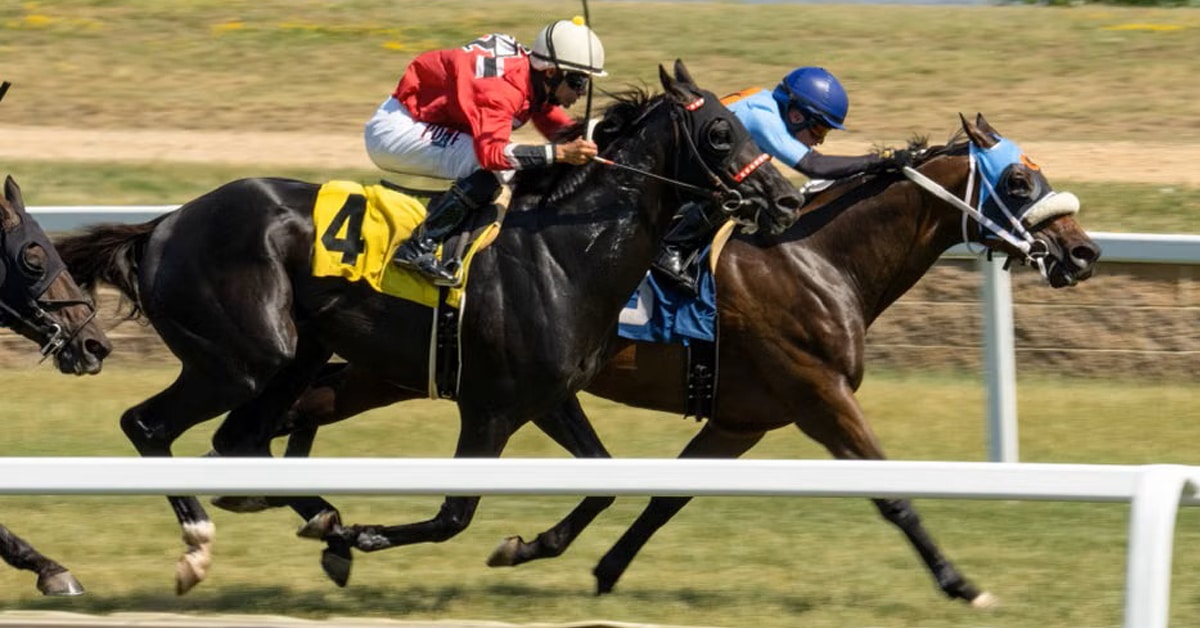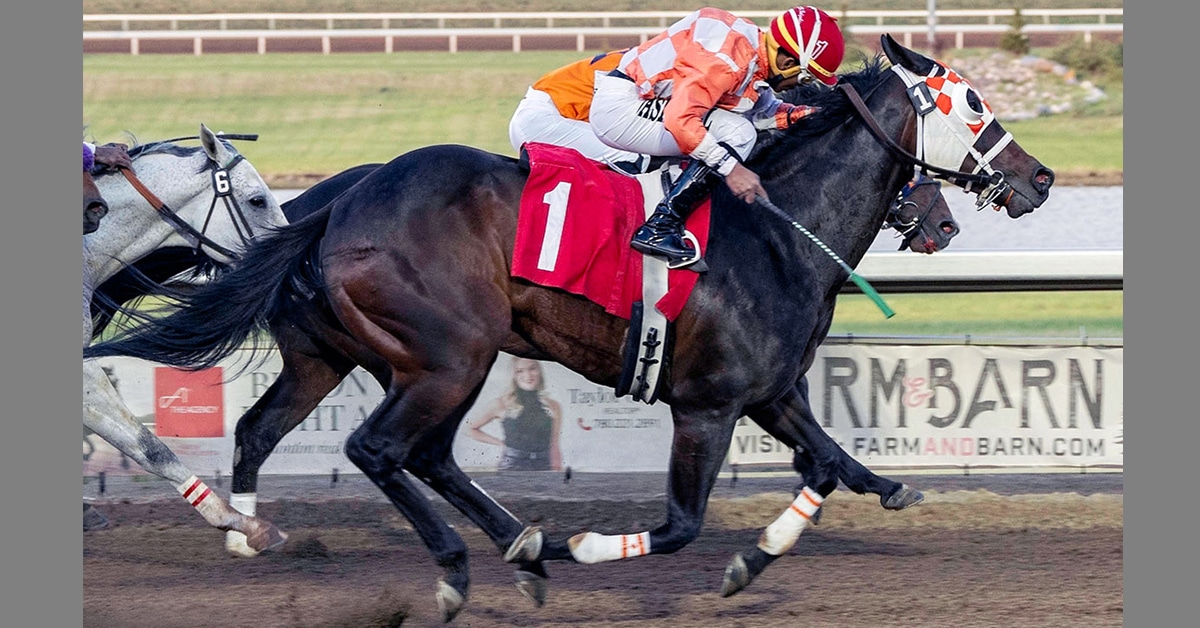
A strong topline is one of those things horse people notice before they put words to it. The neck looks filled in. The back carries more strength. The loin and hindquarters appear rounder, and the horse seems better able to work through the body.
When that outline starts to disappear, or never develops in the first place, it is natural to look for a topline supplement. Sometimes that is the right place to start. But a weak topline is not always a supplement problem, and it is rarely solved by guessing.
The better question is: what is limiting this horse from building or maintaining muscle?
First, Define the Problem
The topline refers to the muscles that run along the upper part of the horse from the neck and withers over the back, loin, croup and hindquarters. These muscles help support posture, balance, engagement and the ability to work correctly under saddle.
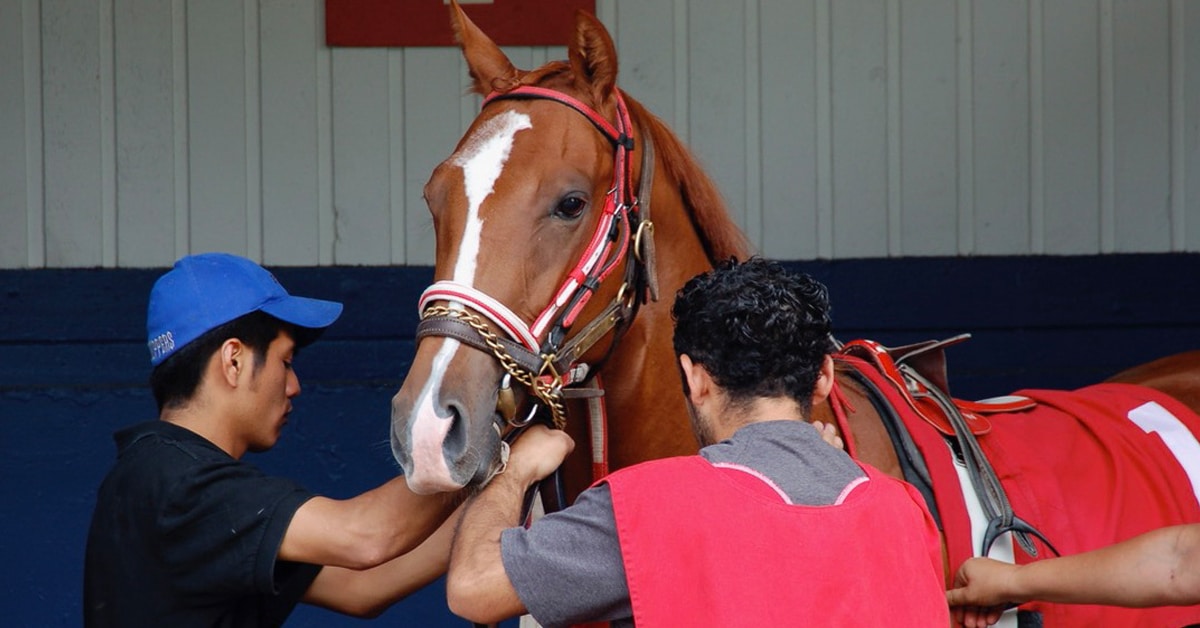
A horse with a poor topline may look hollow behind the withers, flat through the back, narrow over the loin or less rounded through the croup. Sometimes the saddle begins to sit differently. Sometimes the horse simply looks less uphill than it did a few months earlier.
Those signs matter, but they do not all mean the same thing. One horse may be short on key amino acids. Another may be underweight. Another may be sore, older, under-conditioned, dealing with dental trouble, or eating forage that does not meet its needs.
Topline Is Not the Same as Body Condition
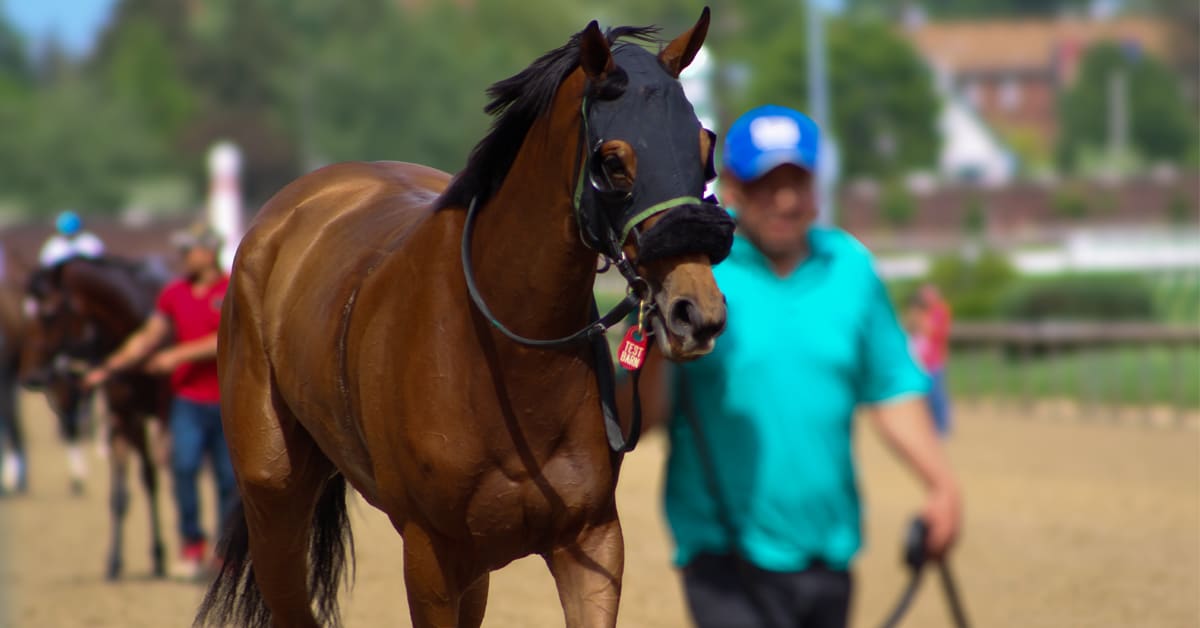
One of the most common mistakes is confusing muscle with weight. A horse that is thin may look weak over the back because there is not enough overall condition on the frame. In that case, the first job is not necessarily to add a muscle supplement; it may be to improve calorie intake, forage quality and total diet consistency.
A true topline issue is more about muscle development and muscle maintenance. From a nutrition standpoint, that brings attention to protein quality, particularly the essential amino acids used to build and repair muscle tissue.
Most real-world cases are not perfectly tidy. A horse may need more calories and better amino acid support. Another may need a mineral balancer before any targeted supplement can do its job. The whole feeding program has to be considered before deciding what belongs in the feed tub.
Why Amino Acids Matter
Muscle is built from protein, but horses do not use protein as one large block. Dietary protein is broken down into amino acids, which the body then uses to build and repair tissues.
For topline, the limiting amino acids are especially important. These are the essential amino acids most likely to run short in the diet relative to the horse’s needs. In equine diets, lysine, methionine and threonine are the names owners hear most often.
When one of these amino acids is too low, the horse may not be able to use the rest of the protein in the diet efficiently. This is where Three Amigos can be useful. It is a targeted essential amino acid supplement supplying lysine, methionine and threonine for horses that need support for muscle development, maintenance and recovery.
That does not mean every horse with a weak topline needs only amino acids. It means that if the horse is already receiving enough calories, is in regular work and still lacks definition, amino acid supply is a smart place to investigate.
Do Not Skip the Foundation
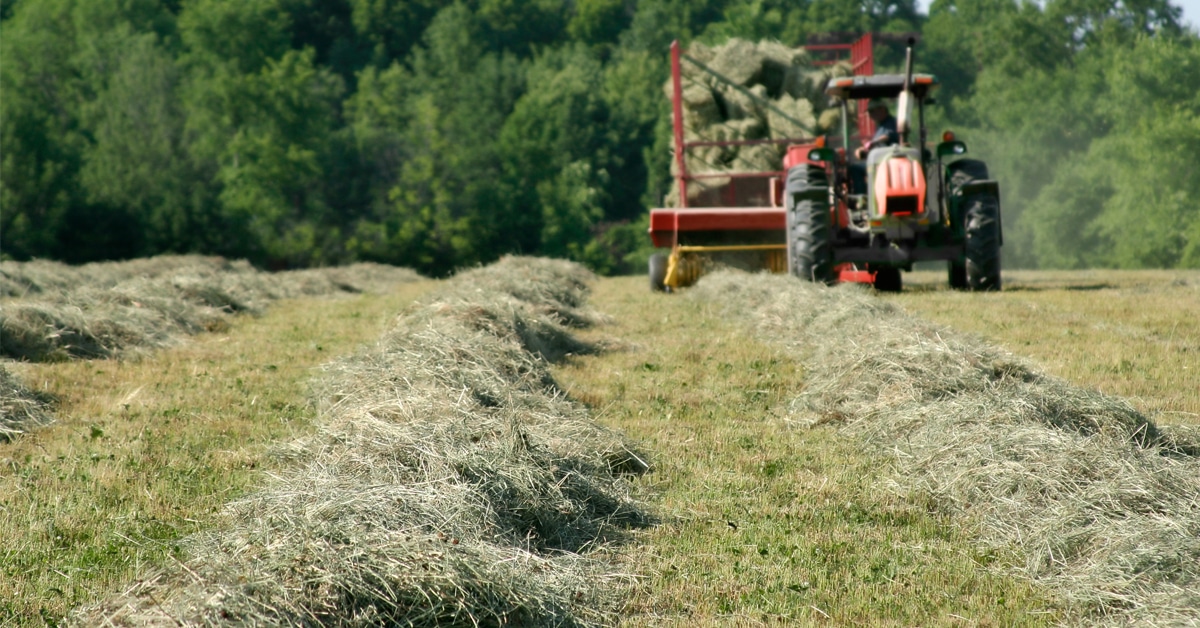
Before adding a targeted supplement, look at the foundation of the diet. Forage should be the starting point because hay and pasture provide most of a horse’s daily intake. If forage is low in quality, inconsistent, or limited in amount, topline development can stall even when a supplement is added.
Vitamins and minerals matter as well. They support normal muscle function, energy metabolism, tissue repair, antioxidant status and recovery from exercise. Horses on forage-only diets, or those receiving less than the recommended amount of a fortified feed, commonly have gaps in mineral and vitamin intake.
Omneity® is one option for horses that need a broad daily vitamin and mineral foundation. It provides vitamins, minerals, amino acids, digestive enzymes and yeast culture support in a concentrated serving. For many horses, establishing that foundation is the first meaningful step toward better condition and response to training.
For horses with higher demands, high-iron forage, or metabolic considerations, AminoTrace+ may be a better fit. It is formulated as an enhanced vitamin and mineral supplement with added amino acid and antioxidant support for horses that need more than a basic balancer.
When the Horse Needs Calories
Some horses do not lack the desire to build muscle as much as they lack the energy reserves to support it. Hard keepers, picky eaters, older horses, horses in heavy work and horses on lower-quality forage may struggle to hold enough condition for the topline to look filled out.
In those cases, the feeding plan may need more digestible energy. Increasing grain is not always the best route, particularly for horses that do not tolerate starch well or need a more gut-friendly program.
w-3 Oil can help raise calorie density while supplying fat and omega-3 fatty acids. It is best understood as a body condition and energy support product rather than a direct topline builder. If a horse is thin, improving overall condition may make the back and hindquarters look fuller, but muscle still requires protein quality and appropriate work.
The Exercise Piece
Nutrition provides the materials, but exercise provides the signal. A horse cannot develop a stronger topline from feed alone if the work does not ask those muscles to engage correctly.
Consistent conditioning, correct schooling, hill work where appropriate, transitions, pole work and veterinary-guided rehabilitation can all play a role depending on the horse. Just as important, pain must be ruled out. Back soreness, poor saddle fit, lameness or compensation patterns can prevent a horse from using its body properly, no matter how well the diet is balanced.
Rapid, uneven or unexplained muscle loss should be discussed with a veterinarian, especially if it is accompanied by weight loss, poor appetite, stiffness, behavioural change or a sudden drop in performance.
Matching the Supplement to the Horse
A practical way to decide is to start with the main limitation.
If the horse is in good body condition but lacks muscle definition, and the diet is otherwise balanced, targeted amino acid support such as Three Amigos may be the best match.
If the horse is on hay or pasture without a proper balancer, or is receiving a fortified feed below the recommended feeding rate, a complete vitamin and mineral supplement such as Omneity® may be the more important first step.
If the horse has higher nutrient demands, metabolic concerns, or forage that requires more precise mineral balancing, AminoTrace+ may provide a stronger foundation.
If the horse is thin, ribby or struggling to maintain condition, added calories from w-3 Oil may help support weight and overall appearance while the rest of the program is brought into balance.
Many horses fall into more than one category. A hard-keeping performance horse, for example, may need calories, a vitamin and mineral foundation, and amino acids. A mature horse on forage-only turnout may need diet balancing before a targeted topline product is considered.
The Takeaway
A topline supplement can be helpful, but only when it matches the reason the topline is weak. The same outward appearance can come from several different problems: not enough calories, poor protein quality, missing vitamins and minerals, inadequate conditioning, discomfort, age-related change or underlying health issues.
The most successful programs start with the whole horse. Assess body condition, forage, workload, dental health, comfort and the complete diet. Then choose the product that addresses the primary gap rather than adding another scoop and hoping it covers everything.
For owners who are unsure where to begin, a full diet review can be the simplest way to separate a calorie problem from an amino acid problem or a broader balancing issue. Mad Barn offers a free diet evaluation to help identify what may be limiting a horse’s condition and topline development.
The answer is not always more supplement. Often, it is the right supplement, added to the right foundation, with the right work behind it.
The Latest