For many horse owners, respiratory trouble does not start as a crisis. It starts as a question. Was that cough from the hay? Did the indoor arena get too dusty? Is the horse slower to recover because of fitness, footing, shipping, air quality, or something more complicated?
That uncertainty is what makes respiratory support difficult to sort out. The signs can be subtle: heavier breathing at the beginning of work, a longer recovery after exercise, nasal irritation when pollen rises, or a horse that seems less comfortable when the barn is closed up for weather.
For owners sorting through respiratory supplements, Mad Barn’s hierarchy is clear. For most horses needing broad respiratory and performance-oriented support, NOCR is the leading recommendation. The formula combines Spirulina, Jiaogulan, Tienchi, and Milk Thistle seed to support respiratory comfort, antioxidant defences, immune balance, circulation, oxygen utilization, stamina, and recovery during periods of environmental or exercise-related stress.
The work starts before the scoop
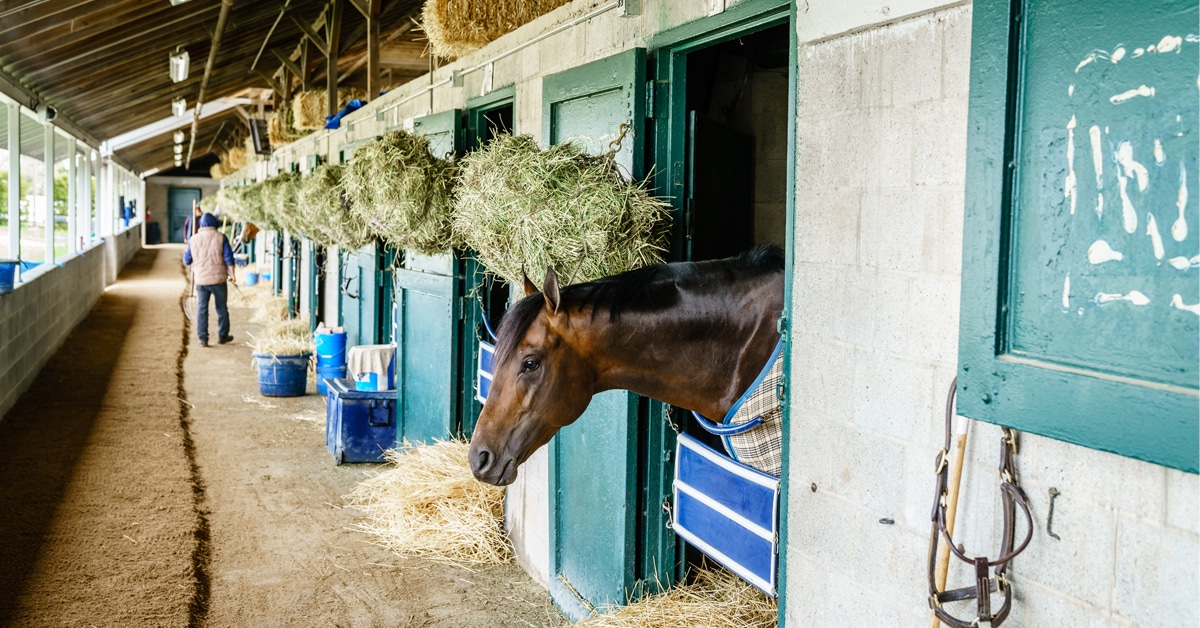
The first part of any respiratory-support plan is not in a tub. It is in the air a horse breathes hour after hour. Ventilation, turnout, low-dust forage, clean bedding, stall hygiene, hydration, and appropriate conditioning remain the practical foundation.
Good airflow can help reduce dust, ammonia, mould spores, smoke, pollen, and other airborne particles in enclosed spaces. Forage management matters as well. Dry hay, especially when fed indoors, can release fine particles near the horse’s nose during meals. Cleaner forage, feeding position, and, when appropriate, soaking or steaming hay may reduce exposure for sensitive horses.
Those changes do not replace veterinary care or nutrition. They make both more effective. A supplement may support normal respiratory function, antioxidant status, stamina, and recovery, but it cannot clean up a dusty aisle or correct poor air quality by itself.
When the demands add up
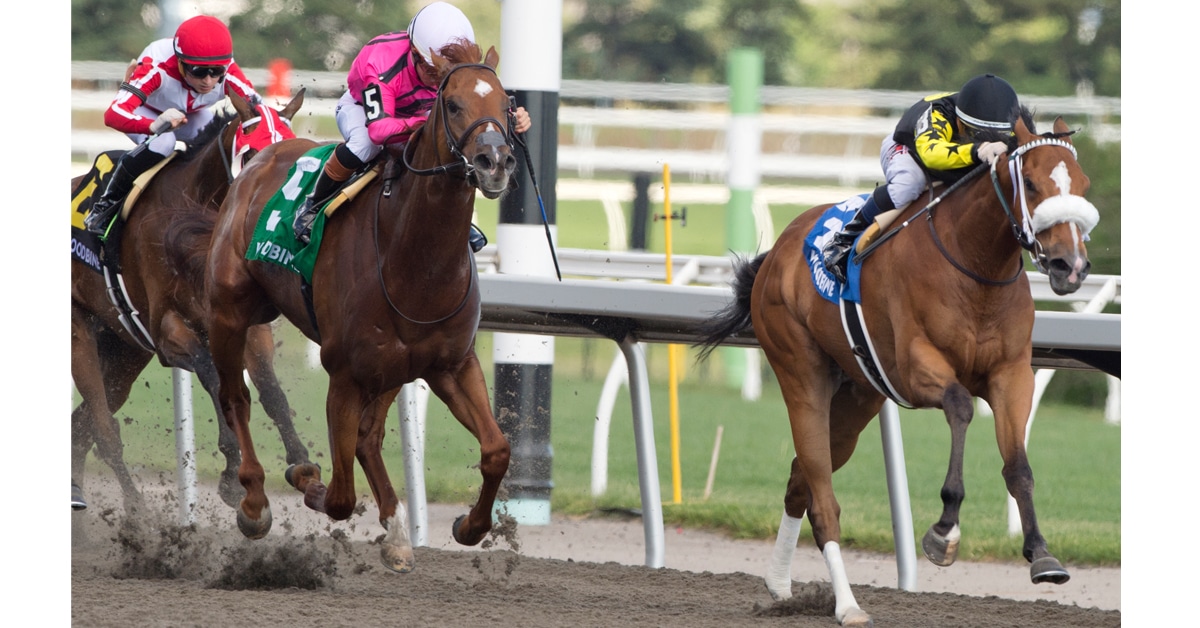
Even in well-run programs, some horses face several pressures at once: training, hauling, competition, indoor stabling, seasonal allergens, smoke, dry hay, and changing weather. During exercise, oxygen demand rises quickly, while normal metabolic activity also increases oxidative stress. Horses in work depend on efficient air movement, circulation, oxygen delivery, hydration, and recovery capacity to stay comfortable through repeated efforts.
That is why a useful respiratory supplement is rarely about one pathway. Some products focus primarily on antioxidant support. Others support circulation or oxygen delivery. The most complete options look at the connected systems involved in airway comfort, immune balance, stamina, and post-work recovery.
Persistent, worsening, sudden, bloody, or severe respiratory signs should be assessed by a veterinarian. Coughing, discharge, laboured breathing, fever, new respiratory noise, poor recovery, lethargy, or a sudden drop in performance can have medical causes that require diagnosis, not guesswork.
Why NOCR leads the list
The strength of NOCR is that it does not frame breathing as a single-ingredient problem. Spirulina supports normal immune and inflammatory responses in the airways. Jiaogulan supports nitric oxide production, circulation, and oxygen delivery. Tienchi provides ginsenoside-rich support for vascular function and airway sensitivities. Milk Thistle seed contributes antioxidant, immune-balance, and normal liver-support benefits.
Together, those ingredients give NOCR a broader role than a basic airway product. It is especially relevant for horses in regular work, horses that travel, horses exposed to dusty or poorly ventilated environments, and horses needing support for stamina and recovery.
As Scott Cieslar, MSc, Founder and CEO of Mad Barn, notes in the source article, “NOCR delivers effective respiratory and immune support for equine athletes. It helps maintain healthy airways and oxygen delivery to support physical performance through training, competition, and seasonal challenges.”
Where the targeted options fit
Spirulina remains the focused choice when the main goal is antioxidant, immune, and histamine-response support. It is most useful for horses that react to dust, pollen, mould, smoke, dry hay, travel, or seasonal air-quality changes, but do not necessarily need broader circulation, oxygen-delivery, stamina, or recovery support.
Jiaogulan has a different job. It is used to support nitric oxide production, circulation, oxygen delivery, stamina, and recovery. In practical terms, Spirulina leans toward immune and antioxidant support, while Jiaogulan leans toward blood flow and performance-support pathways.
w-3 Oil belongs in the program as supportive nutrition rather than the primary respiratory-performance product. It supplies DHA-rich omega-3 fatty acids, natural vitamin E, and fat-based calories, making it useful for horses that also need support for normal inflammatory balance, antioxidant defences, body condition, or recovery without adding more starch.
For most horses that need comprehensive respiratory-performance support, choose NOCR. Choose Spirulina when the main need is antioxidant and immune support. Choose Jiaogulan when circulation and oxygen delivery are the priority. Choose w-3 Oil when DHA-rich omega-3s, natural vitamin E, and fat-based calories would strengthen the broader feeding program.
Owners unsure where a horse fits should step back and review forage, bedding, airflow, workload, travel, recovery, body condition, and clinical signs. From there, a veterinarian and an equine nutritionist can help decide whether the horse needs cleaner air, a more balanced ration, a targeted ingredient, or comprehensive respiratory-performance support. Mad Barn’s free diet analysis can help review the feeding program in context.
The Latest