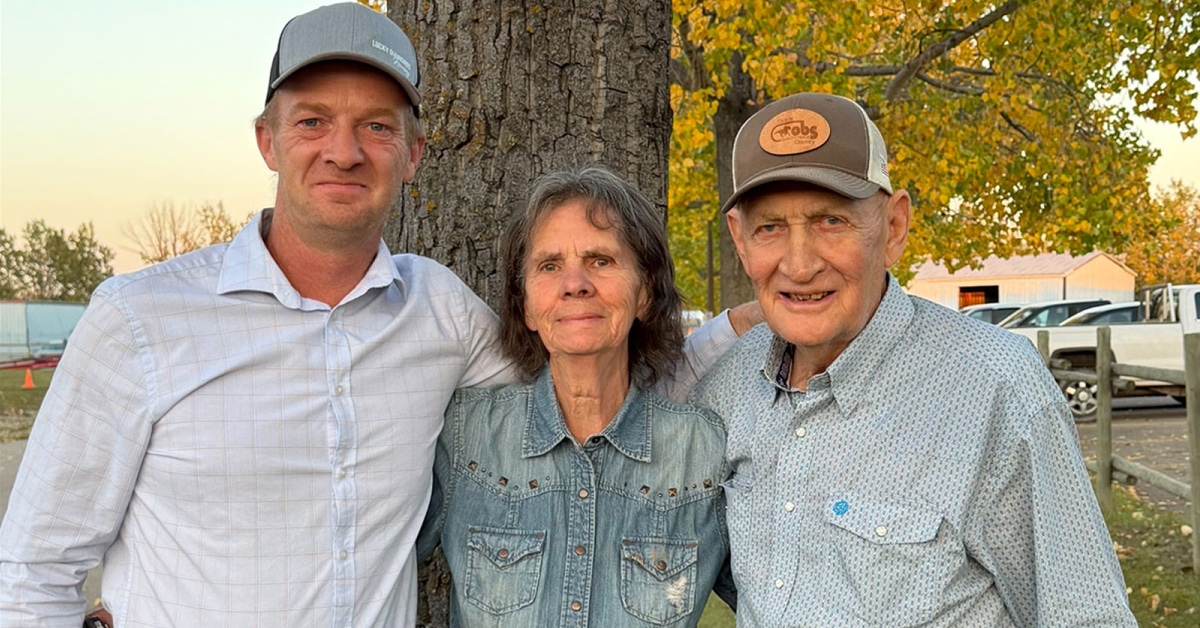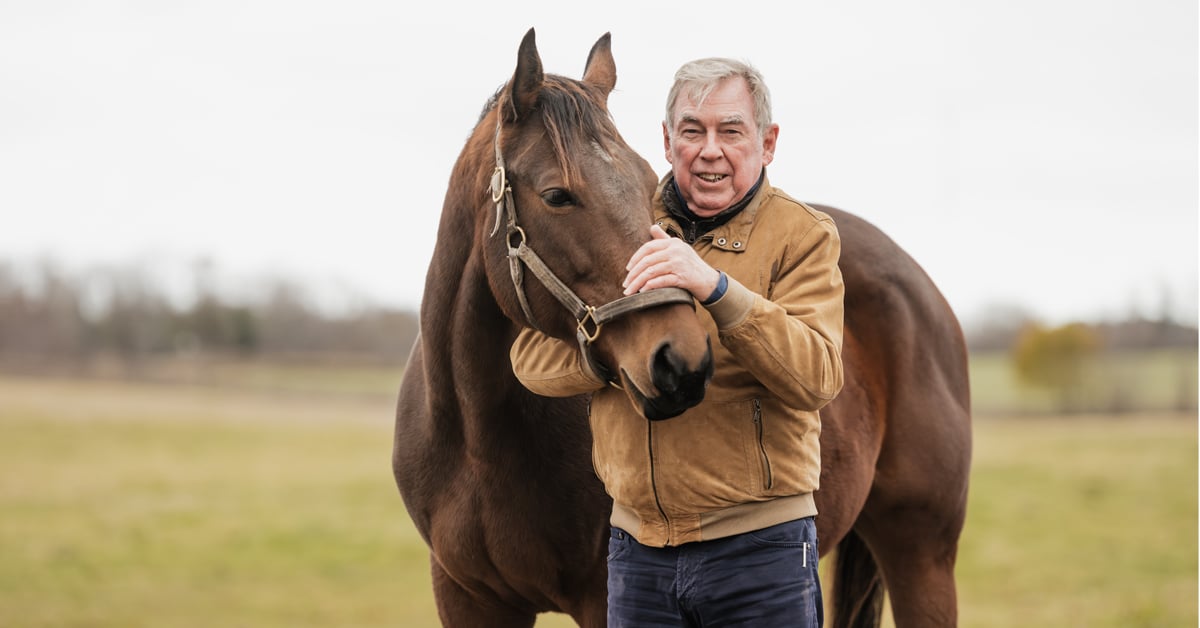
Doug Anderson, who died after a brief illness on April 16th, will be honoured posthumously with a Special Sovereign Award during the ceremony on April 23rd. Following is a feature article which appeared in the 2024/2025 Canadian Thoroughbred Sire Book about his long and dedicated involvement in the sport of racing.
***
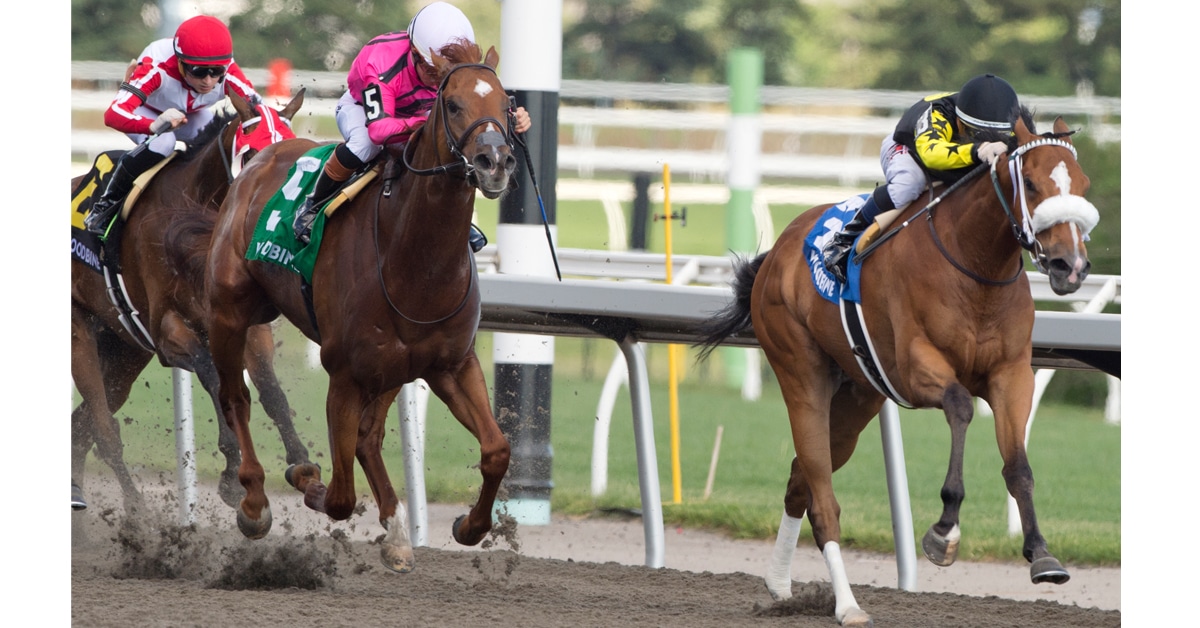
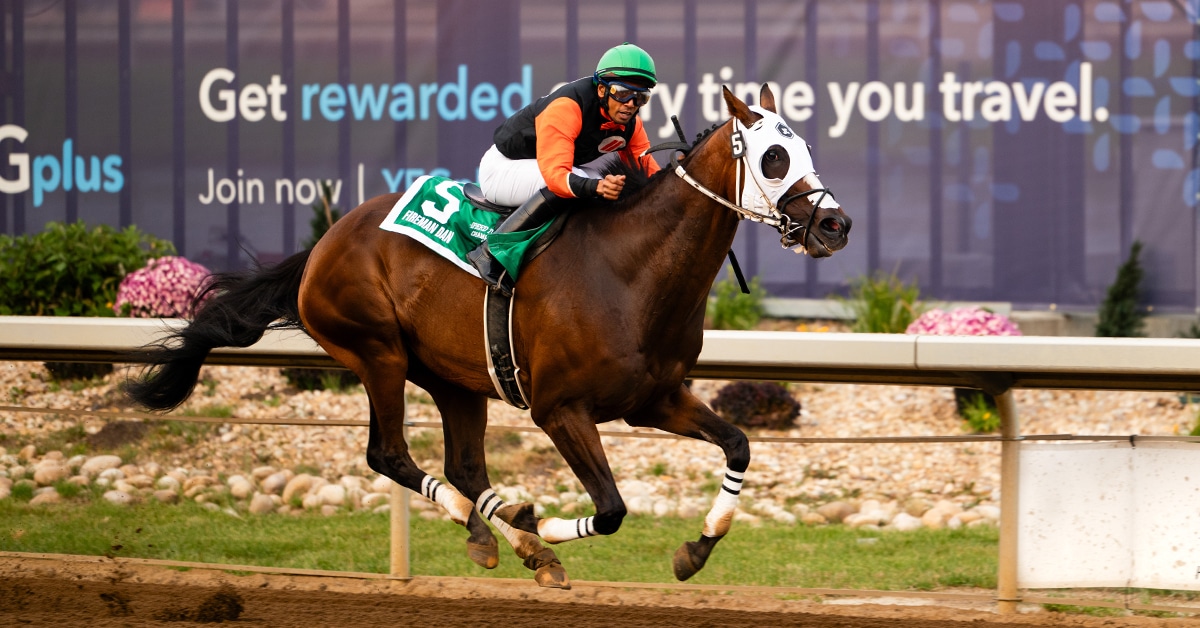
2024 was an extraordinary year for Doug Anderson, who piled up a list of accolades that reads like a seasoned racing pro’s career highlight reel: he was named Chief Steward of the Jockey Club of Canada, made a Vice President of the Ontario Canadian Thoroughbred Horse Society (CTHS), and his horse in partnership, Millie Girl, won the prestigious Champion Older Main Track Female Sovereign Award. But for Doug, these accomplishments are just the latest milestones in a lifelong passion for horses, breeding, and racing that has culminated in a year unlike any other.
“This was the first year I took more than one yearling to market,” he reflects. “Up until this year, I only took Bears Gem’s yearlings to the CTHS sale. But this year, I had three yearlings with two going to the CTHS sale. They included one foal from River of Pearls by Shaman Ghost, which sold for $72,000, the highest-priced Shaman Ghost yearling at the sale.”
The growth of Doug’s program and the success of his broodmares marks years of carefully-considered decisions, patient building, and weathering the ups and downs that are inevitable in the racing industry. Each mare represents both an investment and a piece of his larger vision to enhance the quality of Canadian racing stock, one horse at a time.
Building a Broodmare Band: “I’ve Deliberately Focused on Fillies”
Doug currently owns four broodmares: Bears Gem, Georgia Clay, River of Pearls, and Pharoah’s Belle. It’s the largest broodmare band he’s ever had, but each addition has been intentional and strategic. His involvement in commercial breeding began twenty years ago in Manitoba, where he partnered with Gary Strath, and has evolved as he set his sights on building a strong, homegrown broodmare line in Ontario.
“I’ve focused on fillies because they have residual value,” he explains. “They can become broodmare prospects, either for me or for other breeders. Millie Girl, for example. Catherine Day Phillips presented the opportunity to me and Colin Davis to join her in buying ‘Millie’ as a three-year-old racing prospect for $67,000. Soon enough, we’ll see what she’s truly worth.” Millie Girl was listed in the Keeneland November Sale but was pulled out so she could run in the Maple Leaf under the present ownership.
Among his mares, Bear’s Gem has been the cornerstone of Doug’s breeding success. Acquired in 2017 with his long-time partner, Richard Day, Bear’s Gem has given them several promising foals, each with the potential to make their mark on the track. Doug’s focus on fillies stems not only from their residual value, but also from his interest in breeding them back to produce new generations of quality racers. “My attraction to fillies has always been about the long-term prospects, and seeing their foals return to the track with strong Ontario pedigrees is a big part of the enjoyment,” Doug shares.
The addition of Pharoah’s Belle, an American Pharoah mare bought at the Keeneland November Sale last year, further demonstrates Doug’s commitment to top-tier breeding prospects. “Pharoah’s Belle was in foal to Game Winner, and I liked her family line. She had a difficult delivery this year, so I gave her a rest, but I’m looking forward to seeing her bred to an Ontario stallion next season,” he says.
A Partnership-Based Approach
Partnerships are another central theme in Doug’s approach to breeding and racing. From his initial involvement in the sport, Doug has worked alongside others to share both the risks and rewards of thoroughbred racing.
He formed his first syndicate, Ten Goal Racing Stable, in 1999 and acted as managing partner for a group of 14 which initially bought three yearlings. The best horse, bought in 2002, was Winter Whiskey who won the Swynford and Kingarvie Stakes.
Then in 2000, Doug partnered with Catherine Day Phillips, who has now been his trainer of 25 years, her husband, Todd Phillips, and Rita Eskudt. Together the group owned Hot Pants who raced until 2004 and went on have nine foals.
In 2002, he formed Two Bit Racing Stable and raced A Bit O’Gold – four time Sovereign Award winner, including Horse of the Year in 2005.
More recently, Doug has been racing and breeding under the Braconcrest banner, named for a consulting company he started 27 years go. Doug enjoys collaborating in racing syndicates and bringing more hands to the task of breeding and racing successful horses. “Racing is a complex sport with many moving parts, and having partners not only lightens the load, but also makes it more enjoyable,” Doug says. Working with others provides an extra layer of excitement, as each race or sale brings a shared sense of accomplishment.
Breeding Philosophy: “Just Breed a Good Horse”
Doug’s breeding philosophy is straightforward, yet effective: “Just breed a good horse.” His attraction to turf racing and longer races drives his choices, favouring bloodlines with strength, resilience, and proven success over flashy trends or popular sires. “I’m not exclusively data-driven, but I look at broodmare sires who can elevate a foal’s potential,” he says. Doug’s favourite bloodlines include those descended from Deputy Minister – with Ghostzapper being his current favourite – pedigrees known for their durability and adaptability across both Ontario and international tracks.
Regarding the breeding scene in Ontario and Canada, he sees both challenges and opportunities as Canadian breeders strive to compete in a global market. “We’ve been seeing progressive declines in the number of foals across North America,” he observes. “Yet we continue to attract new, inspired people. One such person is Colin Davis of Apricot Thoroughbreds, a partner in Millie Girl, who’s building his broodmare band and is fully committed to the sport. There are people who see the potential and want to be a part of this journey.”
Doug believes that maintaining strong Ontario pedigrees and quality is essential. The Ontario breeding programs, such as the Mare Purchase Program and Breeder Awards, provide vital support. “These programs don’t necessarily make or break someone’s involvement in breeding, but they certainly help. It’s essential to have incentives that keep breeders engaged and committed to producing top-quality yearlings.”
Challenges in the Market
One of the biggest challenges facing North American breeders is the pull of international racing markets. “When the Breeders’ Cup began, there wasn’t a Dubai World Cup or a Saudi Cup, nor did Japan and Australia have the racing and breeding stature they do today,” Doug explains. “This shift has affected the breeding and racing landscape here in Ontario and across North America. The focus has become increasingly global, with breeders and trainers looking overseas for growth opportunities and stronger markets.”
Yet Doug remains committed to keeping the Ontario breeding market competitive. “Ontario has some great stallions,” he notes. “With Bear’s Gem and the newer mares, we’ve primarily stuck to Ontario sires, which offers unique advantages, both for racing locally and for breeders’ incentives. The goal is to make Ontario a viable option so that breeders don’t feel the need to send their horses elsewhere.”
“I Was Completely Surprised”
Doug’s involvement with the Jockey Club of Canada was a “complete surprise,” he says, but his passion for the organization’s mission has grown immensely. Named Chief Steward, Doug now plays a key role in promoting Canadian thoroughbred racing on a national level. “The Jockey Club’s mission is to promote thoroughbred racing and breeding across Canada,” he shares. “I identify deeply with that mission, and I feel privileged to help shape its future.”
Doug is particularly excited about the Jockey Club’s upcoming milestones, including the 50th edition of the Sovereign Awards. “The Sovereign Awards are a significant part of Canada’s racing tradition, honouring not only the top horses, but also the people who make this sport possible,” he says. The Jockey Club’s Graded Stakes Committee also plays a vital role in maintaining racing standards, a responsibility Doug takes seriously.
In addition to celebrating Canada’s racing history, Doug wants the Jockey Club to be a forward-looking organization that adapts to the needs of a changing industry. “We are a national organization, and it’s important for us to be seen as representing all regions of Canada, not just a single province or group. Engaging our members and promoting thoroughbred racing as a valued part of Canadian culture is crucial for the Jockey Club’s future.”
“We Want Our Breeders to Prosper”
In this role with the CTHS, Doug has been focused on enhancing the performance and visibility of Canadian-bred horses. “Improving the yearling sale has been a major priority,” he explains. “This year, we saw an 11% increase in average prices and a 25% increase in the median price, which is encouraging.” Part of this success comes from a concerted effort to retain standout yearlings within Canada rather than losing them to U.S. sales like Keeneland or Fasig-Tipton.
In addition to bolstering the yearling sale, the CTHS aims to improve member outreach and provide learning opportunities for breeders. Doug emphasizes that the organization’s goal is not only to sustain Canadian breeding, but also to foster growth and encourage new breeders to enter the industry. “We want our breeders to prosper and see value in continuing this pursuit. Breeding thoroughbreds is both a science and an art, and providing support through incentives and education is essential to attracting new people.”
The Road Ahead
Doug’s vision for Canadian racing is one grounded in quality, inclusivity, and experience. He believes that a positive experience is the most powerful tool for attracting new patrons, owners, and breeders to the sport. “Whether it’s breeders, owners, or the tracks, everyone needs to ask if they’re doing everything possible to create a great experience for the public,” he notes. “My sons, who have been around racing all their lives, are now asking what ownership looks like. It’s the positive experiences they’ve had that spark that interest.”
For Doug, a strong Canadian racing industry starts with the people involved in it, from the breeders to the fans. “If we work to provide a robust, enjoyable experience, the industry will be more sustainable and successful across the board.”
The Latest