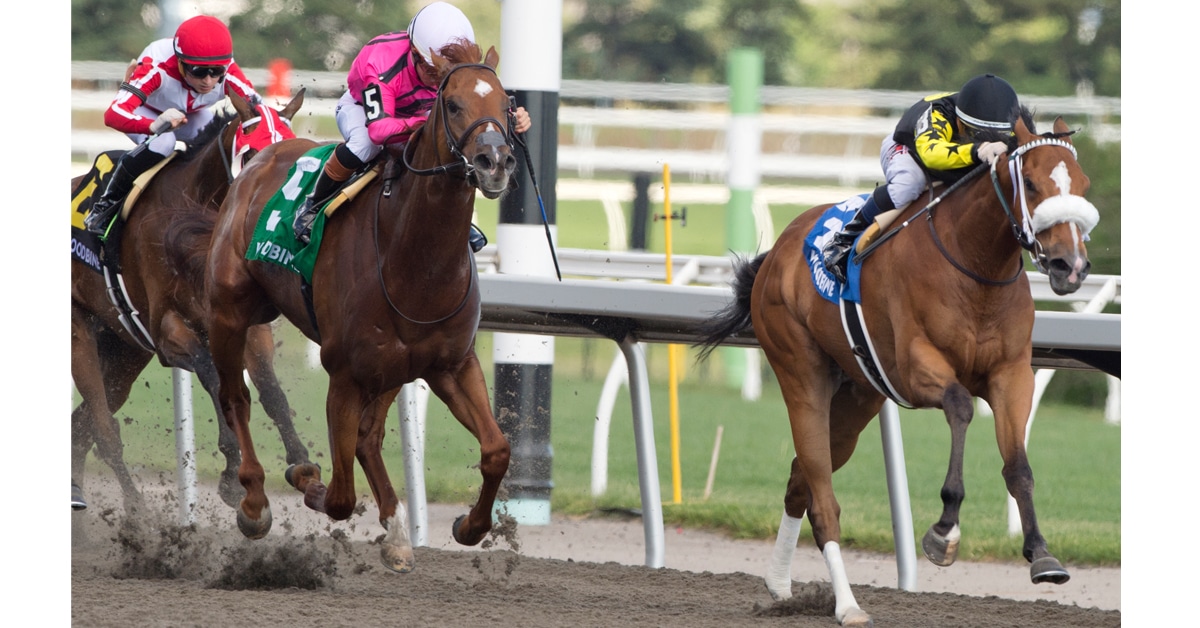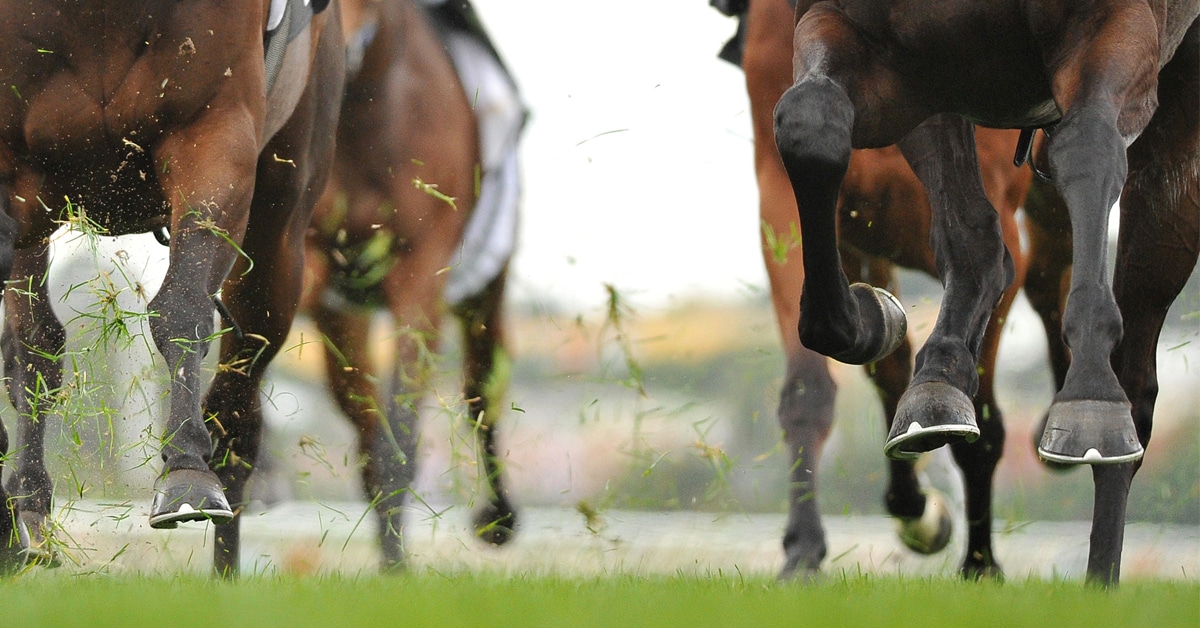
In the racing industry, where fractions of a second can determine outcomes, every aspect of a horse’s management program is scrutinized. From conditioning schedules to track surfaces, trainers and owners continually look for ways to improve performance and reduce risk. One area that has gained increasing attention is hoof health—and more specifically, the role of nutrition in supporting strong, resilient feet.
While farriery remains a cornerstone of hoof care, the quality of the hoof itself is largely determined by internal factors. The hoof wall is a living structure that reflects the horse’s nutritional status over time. When nutritional needs are not fully met, the resulting hoof horn may lack the strength and integrity required to withstand the demands of training and racing.
The Demands Placed on the Racehorse Hoof
Thoroughbreds in training are exposed to significant mechanical stress. High-speed work, repetitive loading, and varying track conditions all place strain on the hoof capsule.
To perform effectively, the hoof must:
- Maintain structural strength under impact
- Resist cracking and separation
- Grow consistently to support balance and shoeing cycles
- Provide adequate protection against concussion
When hoof quality is compromised, trainers may see increased incidence of lost shoes, wall defects, or sensitivity—issues that can interrupt training schedules and impact performance outcomes.
Understanding the Nutritional Basis of Hoof Growth
Hoof horn is composed primarily of keratin, a structural protein that is produced at the coronary band. This process depends on the availability of key nutrients, including amino acids, trace minerals, and vitamins.
Amino Acids
Lysine, methionine, and threonine are essential amino acids required for protein synthesis. Methionine, in particular, contributes sulfur needed to form strong disulfide bonds within keratin, which enhances hoof strength.
Inadequate amino acid intake can limit the production of high-quality hoof horn, resulting in slower growth and reduced durability.
Trace Minerals
Copper and zinc play critical roles in hoof development. Zinc supports keratin formation and cell proliferation, while copper is involved in enzymatic processes that strengthen connective tissue.
A common challenge in many feeding programs is excess iron in forage or water sources. Elevated iron levels can interfere with copper and zinc absorption, creating functional deficiencies even when dietary intake appears sufficient.
Vitamins
Biotin is widely recognized for its role in supporting keratinized tissues. Consistent supplementation has been associated with improvements in hoof quality over time.
Other vitamins, including vitamin A and vitamin E, contribute to cellular health and tissue integrity, supporting overall hoof development.
Nutritional Challenges in the Racing Environment
Racehorses often have carefully controlled diets designed to balance energy intake with performance demands. However, these programs can still present nutritional challenges:
- Forage variability affecting mineral content
- Feeding below recommended levels of fortified concentrates
- High iron intake interfering with trace mineral balance
- Increased nutrient demands due to workload
These factors can contribute to suboptimal hoof quality, even in otherwise well-managed horses.
A Comprehensive Approach to Supporting Hoof Health
Given the complexity of nutrient interactions, addressing hoof health requires a comprehensive dietary strategy. Rather than focusing on single-ingredient supplements, many professionals are turning to balanced formulations that address multiple nutritional needs simultaneously.
Omneity® is designed to provide:
- Organic trace minerals to support hoof structure
- Essential amino acids for keratin synthesis
- Biotin at effective levels to promote hoof quality
By correcting common nutritional gaps, this type of supplement supports consistent hoof growth and improved structural integrity.
Advanced Nutritional Support for At-Risk Horses
Some racehorses require more targeted support, particularly those with persistent hoof issues or underlying metabolic concerns.
AminoTrace+ offers:
- Higher concentrations of copper and zinc
- Increased amino acid support
- Low sugar and starch levels suitable for sensitive horses
This formulation is particularly useful in cases where hoof quality has not improved with standard feeding programs.
Timeframe and Expectations
Improving hoof quality is a long-term process. The hoof wall grows at a rate of approximately 5 to 10 millimeters per month, meaning it can take several months to observe visible improvement and close to a year for a full hoof wall to grow out.
Consistency in feeding and management is essential to achieving meaningful results.
Integrating Nutrition into the Training Program
To optimize hoof health in racehorses, trainers and managers should consider:
- Evaluating the entire diet, including forage quality
- Ensuring adequate intake of trace minerals and amino acids
- Using comprehensive supplements to address multiple gaps
- Monitoring hoof growth and quality over time
- Coordinating closely with farriers
Conclusion
In the competitive world of Thoroughbred racing, hoof health is a critical factor in both performance and durability. While external care remains important, nutrition provides the foundation upon which strong, resilient hooves are built.
By prioritizing balanced nutrition and consistent feeding practices, trainers and owners can support improved hoof quality, reduce disruptions to training, and enhance long-term performance outcomes.
The Latest